
3 Minute read
By Andrea Aruino
At its core, focus is the ability to attend to the right things at the right time. Focus doesn’t look the same in every setting, and coaches at UPBasketball emphasize this idea through every drill, shot, and workout. In practice, it’s often more controlled and intentional which gives players more time to understand their strengths and weaknesses in order to improve them. In games, the priority shifts from development to playing your role in hopes of taking the win. A point guard may prioritize playmaking while a post player focuses on controlling the paint. Regardless of the situation, the common thread remains the same in which focus should always align with what gives a player and the team the best chance to succeed.
One of the most important ideas tied to focus is the concept of being present. When focus drifts away from the present, mistakes tend to stack and players begin reacting to what just happened instead of what’s happening now. Instead of dwelling on a turnover, the focus shifts immediately getting back on defense, communicating, and staying engaged. This ability to refocus is what separates composed players from reactive ones. It’s not about avoiding mistakes, but about how quickly you can move on from them.
“I think of it like there’s an ‘ultimate focus' - maybe a focus for the day, week, game etc. - like shooting with confidence. Well what do I need to focus on to shoot with confidence? Maybe I need to see a more open shot, so it’s creating more space or separation from my defender. This means in the possession and moment, my focus is probably doing a better job V cutting or initiating contact in order to create that separation,” Coach Corey Cilia said.
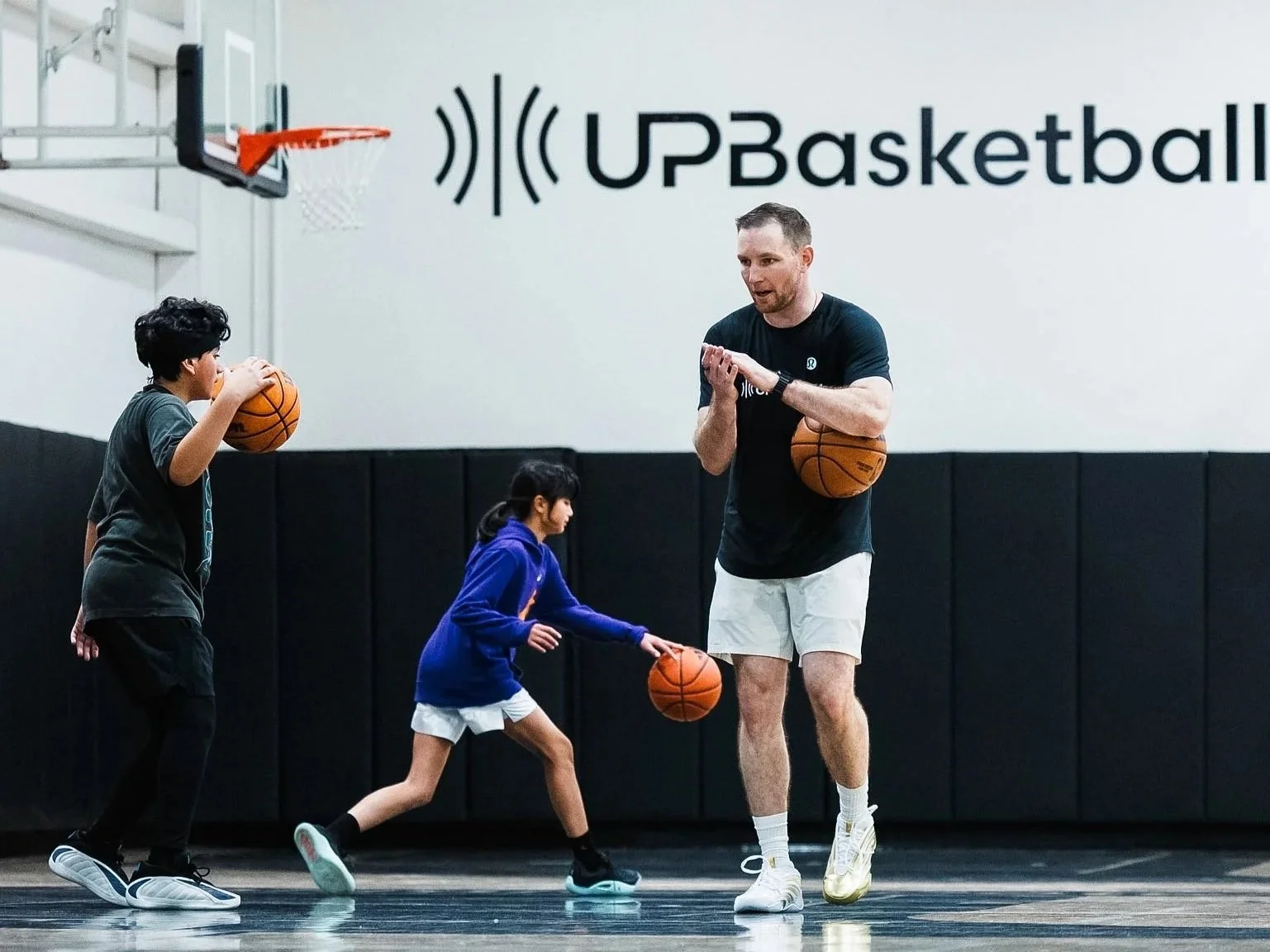
A player might have a larger goal, like shooting with confidence, but that doesn’t always mean focusing directly on the shot itself. Instead, it could mean focusing on creating better separation, moving without the ball, or reading the defense more effectively. The ability to break down a bigger goal into smaller actionable points of focus is what allows players to improve with purpose.
For coaches, developing focus often starts with simplifying the game. Rather than overwhelming players with information, the emphasis is placed on a few controllable elements such as energy, effort, and execution. These anchors bring players back to the present moment and give them something tangible to rely on during games. This mindset is something that Coach Ben Ruelas emphasizes when coaching in a game or during practice.
“I emphasize simplicity. Players don’t need to be the hero. If each player focuses on their role, everything works together, like pieces of a puzzle forming a complete picture. This gives players confidence because they have something clear and tangible to focus on. It’s the same for workouts, and I keep these goals visible so they can return to them throughout the workout,” Coach Ruelas said.
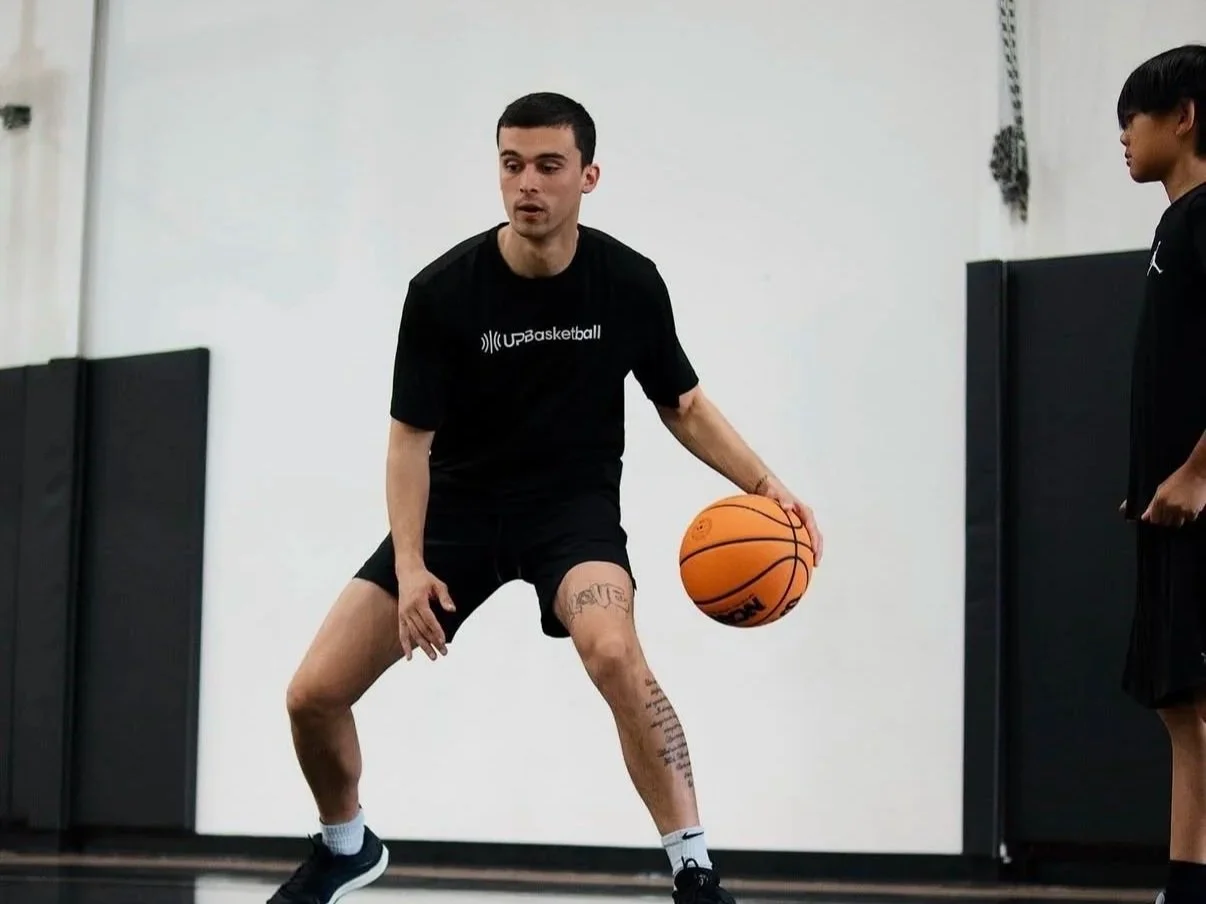
Players who take time to reflect by asking themselves what they did well and what they could improve begin to develop a stronger sense of awareness. That awareness directly fuels focus, giving players a clearer understanding of where their attention should go next. Simple exercises like focusing on your breath, noticing when your mind wanders, and bringing it back are all ways to train attention. Each time focus drifts and returns, it’s another rep.
Focus connects to every other mental skill in basketball. Confidence, emotional control, and resilience all depend on where attention is directed. Routines and goal-setting help create structure making focus feel more automatic rather than forced. The more a player trains their mind, the easier it becomes to stay present when it matters most.
