
The Importance of Finding a Team Culture That Fits
3.5 minute read
By Andrea Aruino
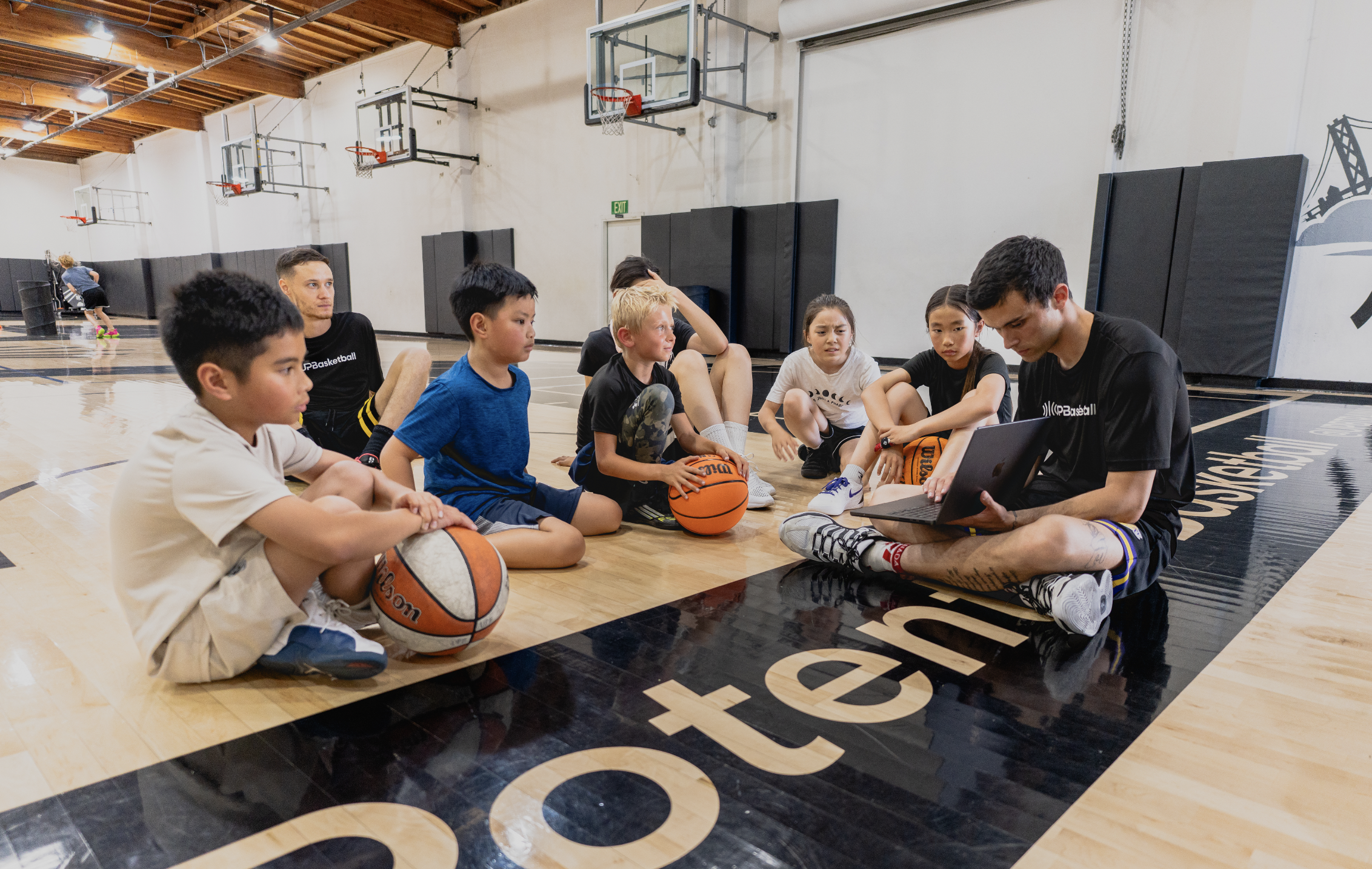
Team culture defines the ways in which a team goes about their practices, games, and off the court activities. Culture looks different for each basketball team, with different priorities and goals. What remains true across all team cultures is that the leaders and the people who make up the team are what lay the foundation that thrives over the long term. At UPBasketball, culture is built within every coach, drill, and run in order to give players a sense of what to look for within teams when they embark on their journey to finding one that fits.
In the early stages of one’s basketball career, experiencing different team cultures can be beneficial in understanding what works for them and what does not. The principles that each team stands on is what sets a talented team away from one that does not deviate from their shared goals and understanding of how to remain disciplined especially in times of triumph or challenge.
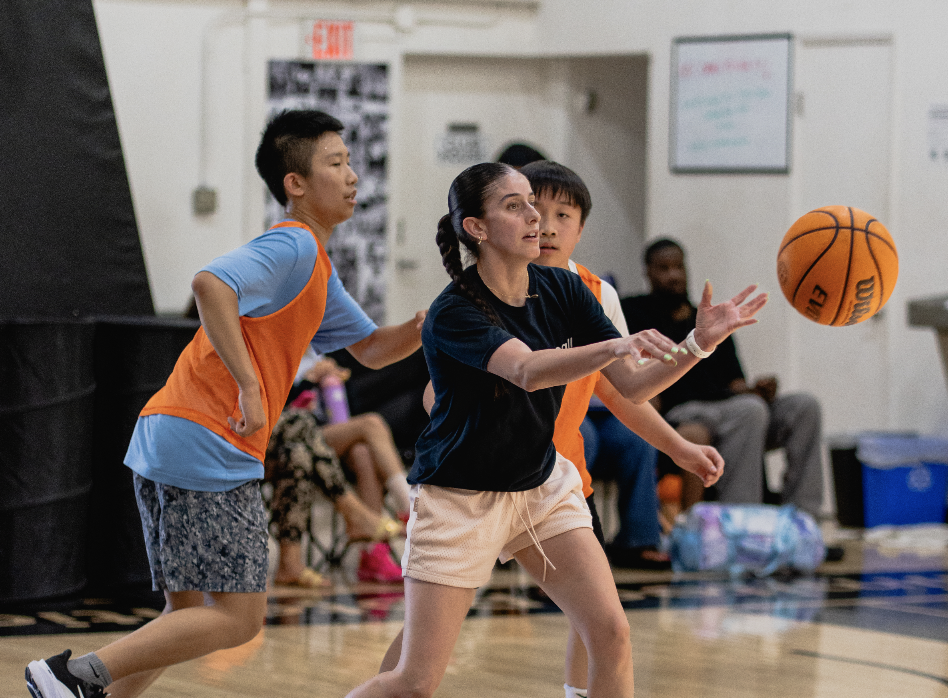
The examples of different principles all look different. For example, the principles that UPBasketball stands on are energy, effort, and focus, all of which are things you can control. For a basketball team, that may look like putting in as much effort into drills as possible or using your last bit of energy to push yourself towards the finish line during conditioning, all in all, these are things you can focus on. Understanding the type of culture that works for a player comes with experience, but what happens when you are just starting and you are not sure where to start. That is where curiosity plays a part. Making sure that you show up to tryouts means displaying your skills while also putting in the effort to know the players, coaches and other staff.
“When you go to tryouts, you have to be honest with yourself. Let's just say I'm a point guard and there's three point guards there, and they’re really good. I would have to think about how to approach that and maybe I would need to try a better fit for myself. Or if those other point guards are a little older, that could be seen as an opportunity for me to be under their wing and for a year I can learn how they play and understand the game. The right team just depends on the athlete and what they need out of a program,” Coach Veronica Barrot said.
For younger athletes, their parents play a big role in where their child ends up playing, as well as the opportunities their child receives in scouting a program that works best for them. Getting to know their strengths and weaknesses make for a better chance at conducting diligent research on teams that are representative of what their athlete wants to accomplish. When a player is younger, they are most likely seeking to have fun or get a feel of whether they enjoy the game or not. Once they evolve as a player, their needs and goals also evolve, making it important to build trust and honesty with parents and players.
“At the end of the day, go where you think your kid's going to want to play or where you think your kid is going to get pushed to be better. Also somewhere where you think you can commit to long term. I've talked to kids and parents who play for four different teams in a year, and they're constantly on the move. Finding one program to commit to long term gives a parent that peace of mind and a built in routine for their athlete and themselves,” Coach Dylan Pegarido said.
Being realistic but also putting oneself in a position to grow with a team whose culture aligns with them, is just as important as the culture that a player builds within themself. Individual discipline and mindset is just one of the many tactics that is important in finding the best fit. While pondering on what a player needs, nothing beats the experience of trying out or playing for teams that have what a player may need.
The process of learning about oneself and other teams can take time, and sometimes it can easily be discouraged if a team looks great from the outside but acts differently behind closed doors. These situations can be used as a stepping stone into a player’s newer experience.
Coach Barott recalls a time in her college career where certain coaches held different standards for different players depending, whether that be getting mad at one player for being late but not getting mad at the other. Situations like this make it frustrating to concentrate on what matters such as winning or getting through a new drill.
Nonetheless, every experience can serve as a stepping stone toward finding the team and culture that align best with an athlete's goals and values. Team culture is constantly evolving, shaped not only by the individual but also by the people they choose to surround themselves with. Whether a player remains with one team throughout their career or finds a new home each season, what matters most is staying true to their principles, priorities, and personal needs.
