
The European Training Model, Play Less and Train More
3 Minute read
By Andrea Aruino
What if the key to becoming a better basketball player was not about playing more games but actually playing less?
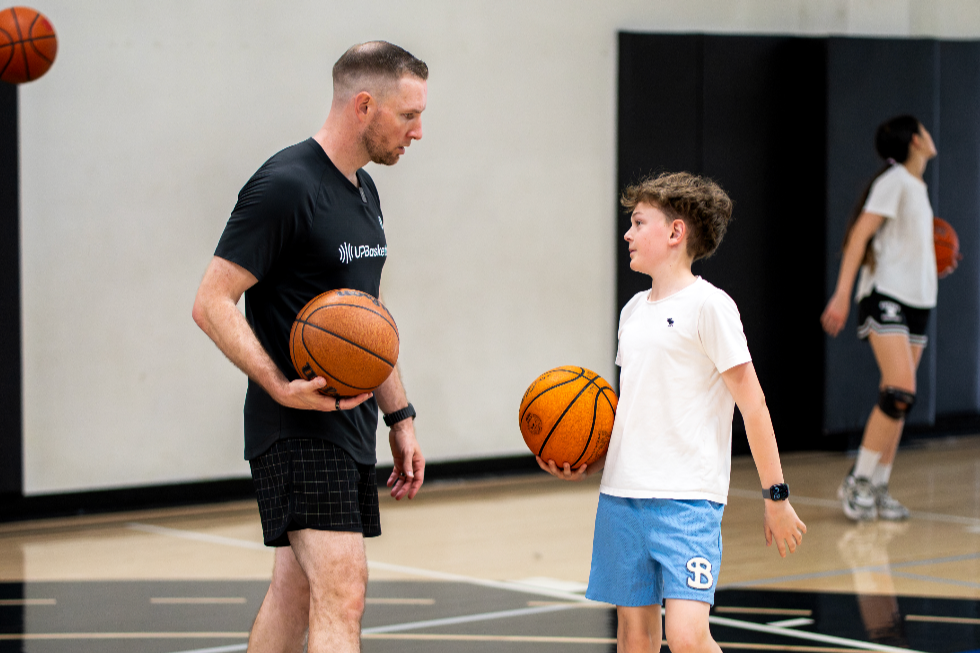
UPBasketball believes in being intentional with time in the gym, emphasizing quality training alongside game experience. While there are many pathways for player development, we believe in a model, similar to those used in European systems, that views practices and games through a different lens, prioritizing skill development, and mastering the fundamentals as the foundation for long-term success. Within our training environment, this shows up in how we structure sessions, from the way we guard and compete in group settings to the emphasis on deliberate, game-like reps.
In Europe, most youth programs follow a four practice and two game structure. Although constant competition may seem beneficial, it often leads players to repeat the same habits without taking intentional time to work on their mistakes. Practices are meant to be intentional and all about detail. It is designed to build well rounded basketball players whose focus is solely on getting as many reps in during their workouts.
“Training at a young age does more than develop athletic ability. It helps build discipline, confidence, resilience, patience, and a strong work ethic during some of the most formative years of a child’s life. In the long run, those qualities impact far more than sports, shaping how young people approach challenges, growth, and life itself,” Coach Packie Turner emphasized.
One of the most notable differences lies in the types of drills European players grow up doing. Rather than focusing heavily on isolation scoring or advanced dribble moves at a young age, they focus on passing, cutting, and learning how to read their defenders. Franz Wagner, a forward for the Orlando Magic, described how his early development looked nothing like the typical American experience.
“I didn’t play pick-and-roll until I was like 15,” Wagner said. “It was all give-and-go, cut, pass-and-move,” from Basketnews
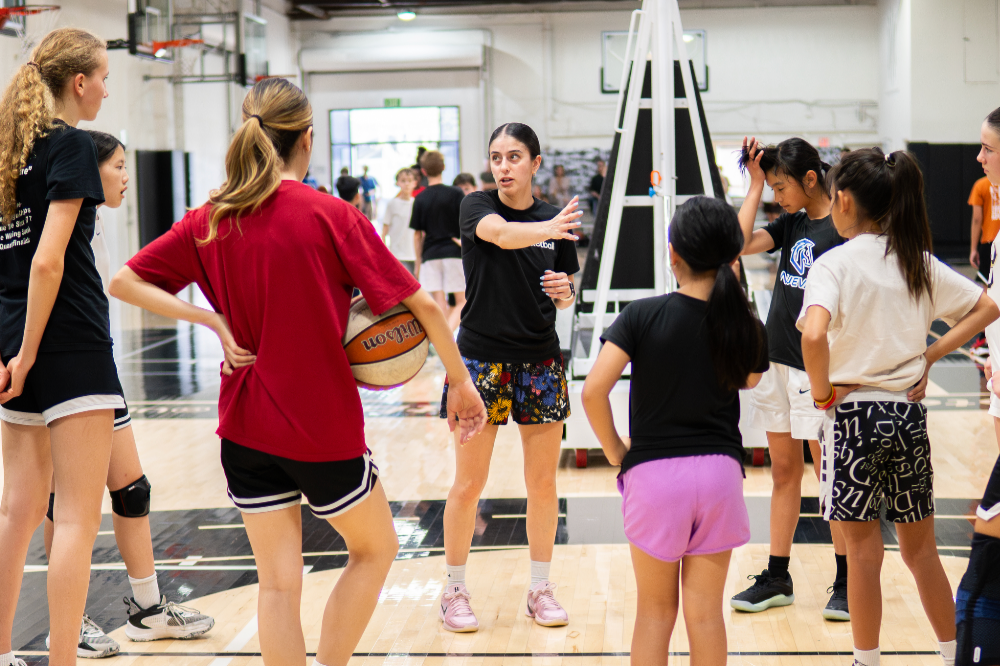
In some practices, players were not allowed to dribble. The focus was not on creating shots off the bounce, but rather on understanding spacing and timing. One common drill involved teams earning a point only after completing ten consecutive passes. Scoring never mattered more than decision making. The tactic comes from the idea that scoring will start to come naturally when you have put in the time to understand skills that make scoring easier even when you have the best defender in the world on you.
This type of constraint based training forces players to think about the game on a deeper level. Without relying on dribbling, players must learn how to move without the ball and anticipate defensive reactions. These are the same skills that translate directly into high level basketball.
Footwork is another cornerstone of European practices. From as early as seven or eight years old, players are taught how to pivot, maintain balance, and control their body which are all things that UPBasketball coaches emphasize within their training. With this as players develop their game it is more often than not that younger players are practicing with older groups if potential is there. This type of exposure to higher levels of competition in a controlled practice environment accelerates development without the pressure of constant games. By the time players reach their mid-to-late teenage years, they already have a deep understanding of how to play the game.
This emphasis on training over time is one of the reasons why so many European players enter the NBA and WNBA as polished, high-IQ athletes. Players like Luka Dončić and Nikola Jokić are known for their elite decision-making. Their style isn’t built on isolation, it’s built on reading defenses and making the right play. Similarly, in the WNBA, players like Emma Meesseman and Gabby Williams showcase the same traits. Their ability to move without the ball, make quick decisions, and impact the game in multiple ways reflects the system they were developed in.
At the end of the day, the question is not about which system is better than the other, it is how players choose to approach their development style. Games will always be important but they should reflect the work that a player puts in before game time. The players who separate themselves are not just the ones chasing exposure or stacking games, they are also the ones consistently putting in intentional work and building habits that translate when the lights are on. When the foundation is built in the gym, success on the court becomes a byproduct, not the goal.
