
Raising Confident Athletes Beyond the Game
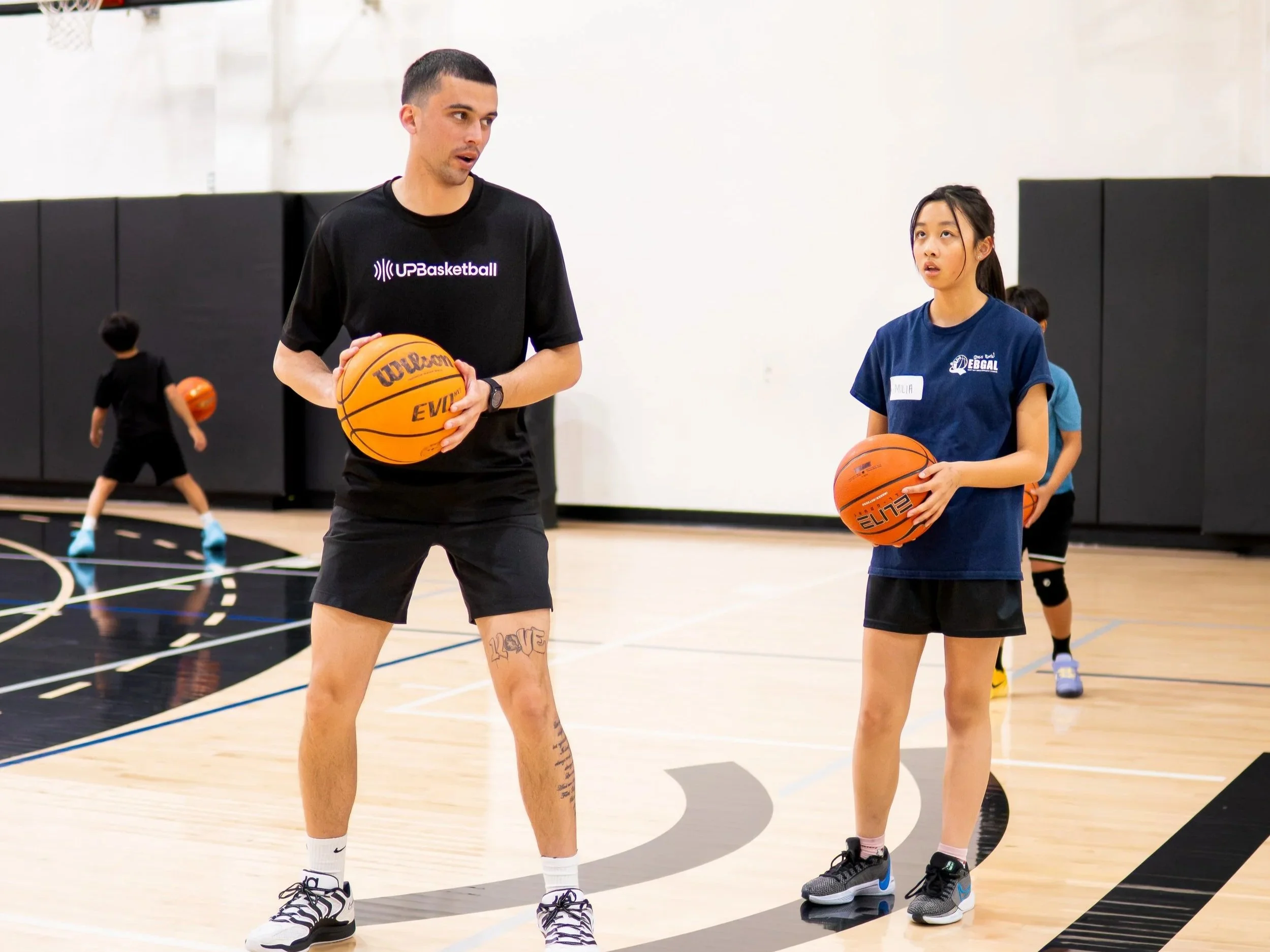
3 Minute read
By Andrea Aruino
Youth sports have become a staple in childhood, with more than half of kids ages 6-17 participating in organized sports. It is a well known fact that engaging in sports at a young age and staying consistent is beneficial in ways beyond knowing how to dribble a ball or make a shot. It teaches them how to communicate, hand eye coordination, and many more life skills. However, beneath all of the growth can come anxiety and increased pressure stemming from the people closest to them which more times than not are their parents. Nearly 70% of kids quit sports by the age of 13 and the reasons are not rooted in their lack of ability, but rather the outside noise. In particular, when the focus of basketball shifts from being the best to simply wanting to experience and learn the game, the sport begins to shift for these young athletes.
Parents play a pivotal role in shaping their child’s experience in anything, and in sports, a young athlete’s approach is often influenced by their parents’ expectations and reactions. It’s important that parents and children can differentiate between support and pressure with parents taking on the role of encouragers rather than coaches. The role of a parent is not to coach every play or critique every mistake, but to provide consistent encouragement through the makes and the misses. When support becomes conditional on performance, children begin to associate their value with results rather than effort, which can ultimately impact their confidence and long-term relationship with the game.
“Parents can sometimes take on the role of a coach and that can go both ways where they [either] put too much pressure or they simply [show] support and that’s what kids need. I often see kids miss a shot and look to their parents for a reaction and their parent’s reaction influences how they feel about that shot. This makes it important for parents to be encouraging but that’s not to say they can’t critique them,” Coach Ben Ruelas said regarding a parent’s role in their child’s sport.
One of the most common shifts in youth sports culture is the emphasis on winning at all costs. While competition can be natural and an exciting part of sports, an overemphasis on outcomes can create a hostile environment internally for a child, one where success is measured by comparison, mistakes are punished, and pressure outweighs enjoyment. Research shows that this type of environment is linked to higher anxiety, lower self-esteem, and even decreased development of key life skills. When children feel like they must be perfect, they often begin to play with hesitation, avoiding risks in fear of failure.
In contrast, environments that emphasize effort and personal growth often referred to as “mastery-oriented” climates have been consistently linked to positive outcomes. These include higher confidence, stronger emotional development, and improved life skills such as teamwork, communication, and problem-solving, all of which are applicable towards becoming great at basketball. Parents contribute significantly to this environment through the way they respond to their child’s performance. Simple shifts, such as praising effort instead of outcomes or encouraging persistence after mistakes, can redefine how a child experiences sports.
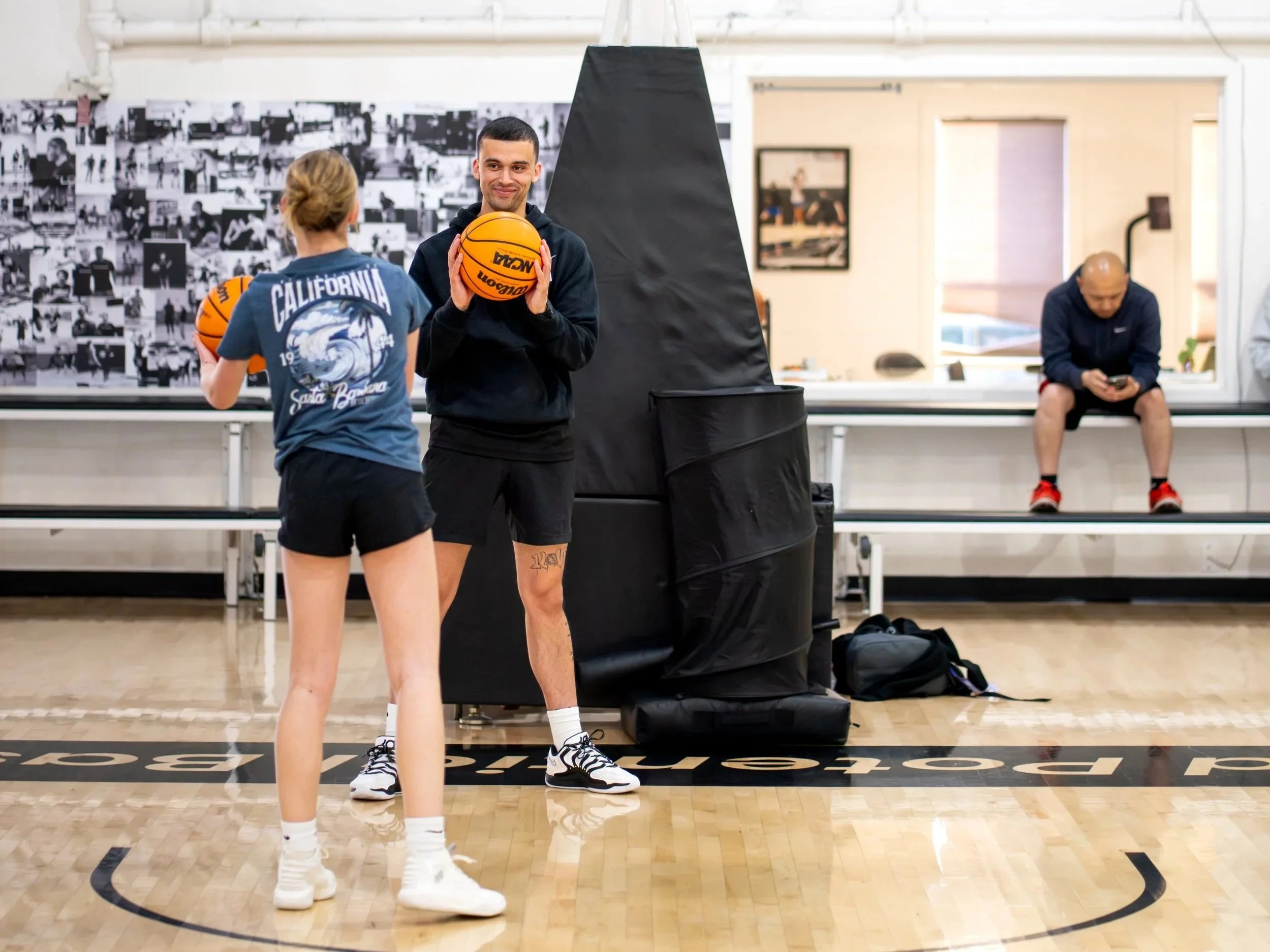
“It’s great to have goals but when you make the goal [revolve around] experiences and learning, then that takes away a lot of pressure. I recently spoke to one of my players and they were talking about all of the pressure they were feeling from the people around them who had these expectations of him. That made me think about how long it had been until he opened up about that stuff making it even more important for parents to simply ask, ‘What do you need from me?’” Coach Ruelas said, emphasizing the importance of giving young athletes the freedom to express how they feel about their sport.
This shift in perspective requires intention. It means resisting the urge to correct every mistake immediately or place pressure on children to be the best. Instead, it involves creating a space where effort and improvement is valued and enjoyment remains central. When kids feel supported regardless of the outcome, they are more likely to stay engaged and build a lasting love for the game.
Coaches like Ruelas at UPBasketball strive to ingrain positive self-talk through their training. It has become such an important aspect of basketball that research is continually being done on how language affects the way a young athlete approaches their game.
“Basketball and any sport teaches kids skills they’ll need in the real world. It’s important to show kids that when they work on something consistently, they’ll always get better and that’s a great lesson to emphasize,” Coach Ruelas said.
Ultimately, the role of a parent in youth sports can seem tough especially when the parent is their child’s coach, but there are ways to show support outside of a coaching mentality. It is not about having all the answers or ensuring perfect performance. It is about showing up, offering encouragement by focusing on growth helping to shape not only better athletes, but more confident and capable individuals.
