
Developing the Mental Edge in Basketball
3 Minute read
By Andrea Aruino
What percentage of basketball is mental?
That is a question that Player Development Coach, Ben Ruelas, always asks when an athlete approaches him with curiosity regarding the mental side of basketball. His answer will always remain 50/50. Success and discipline in basketball is often portrayed as being the first in the gym and the last one out, never missing strength training, and many other ways. What is usually invincible is the way that players think and talk to themselves, which is more often than not, the most powerful skill to possess in sports.
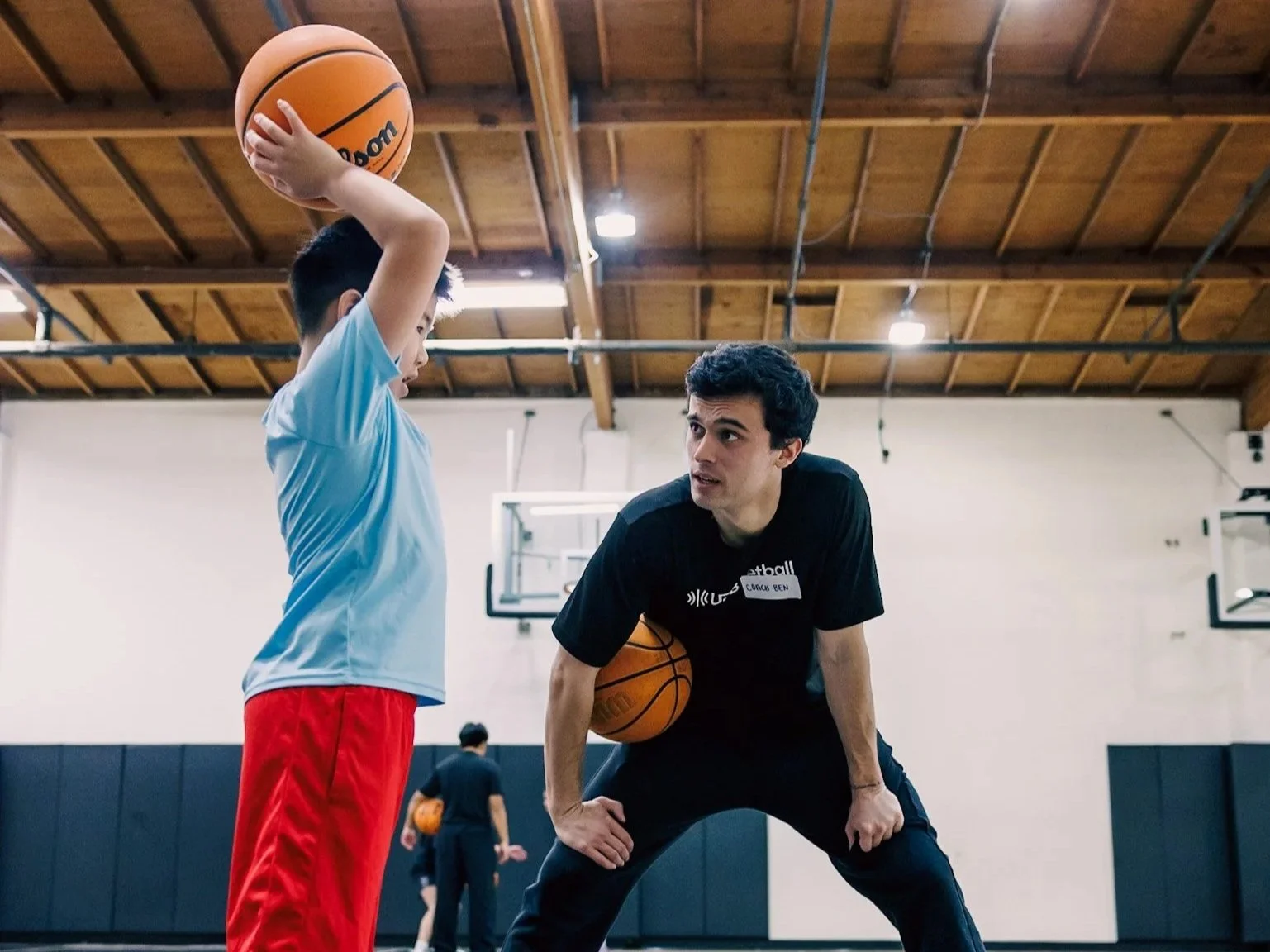
On Mondays, Ruelas leads a small group focused on incorporating mental skills into every activity. Before each session begins, the group sets a goal for the practice. What makes these goals different is the language behind them. Instead of focusing on outcomes like making the most shots or grabbing the most rebounds, the emphasis is placed on aspects of the mental game that players can control such as awareness or mindfulness.
“The first thing that I make sure to talk about is awareness, that’s where it all starts. For example, if I’m not good at my jump shot, it wouldn’t matter since I’m not aware of it or working to improve it. The goals for each week lets us know we are getting better every practice,” Ruelas said.
On an individual level, he always makes it a goal to get to know each player as much as they are willing to share. Their stressors are something that Ruelas takes into deep consideration as he always aims to provide practices and belief that every athlete is capable of reaching their potential. He relies on his 2K method to give players a perspective on their ability. In the NBA 2K video game, when a player misses a shot, one’s mind does not automatically assume they cannot shoot, they simply move on to the next attempt. Ruelas uses that as a segway to encourage players to acknowledge what they are feeling, then find a way to move forward without letting a single mistake define their entire performance.
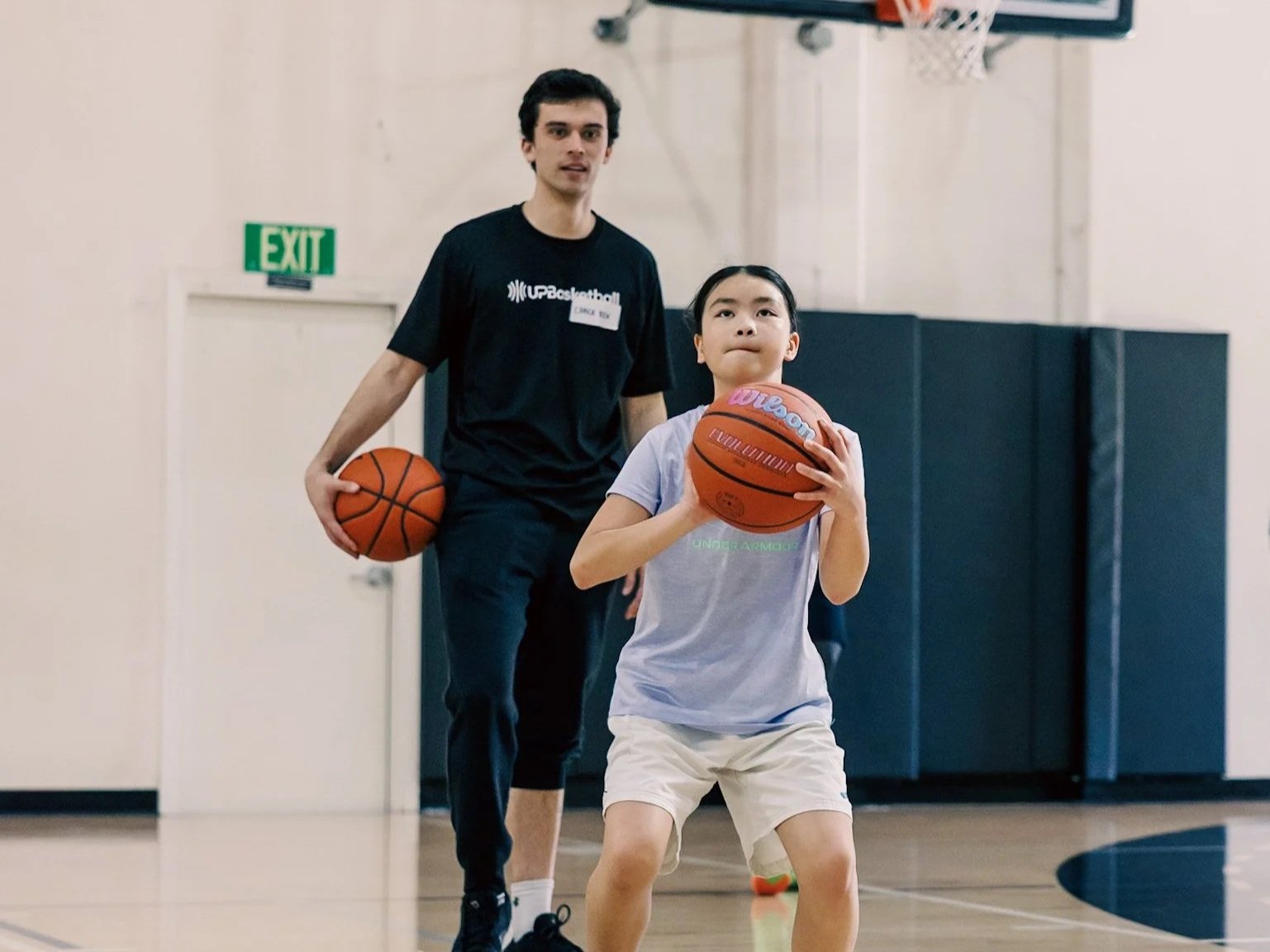
Ruelas is just as much a learner of the game as the players he coaches. When he is not coaching or doing mental skills sessions with his players, he can be found reading or meeting with other coaches on their experiences of the game. Someone who played a part in his understanding of the game was Mental Skills Coach Graham Betchart. Learning from someone who has worked with all levels truly shined light on just how important it is to consistently incorporate mental skills into an athlete’s training.
“I’m always learning from the players that I work with and I don’t think I’ll ever reach the point where I’m finished learning. I have mentors, like Graham, who I still talk to and absorb new information from. I feel like every client that I work with is unique and I see that as a collaboration. Even though I’m the coach, that doesn’t mean I can’t learn and that’s the great part,” Ruelas said.
The mental side of any sport remains an ongoing aspect that Ruelas encourages all players to tap into. Skill and talent can take a player to great heights, but it is the mental work that creates lasting and sustainable growth. Ruelas makes sure to incorporate mental skills into his training to ensure that each of his players are receiving the tools and mindset needed to grow both on and off the court.
Ruelas is currently creating a workbook that players can take home, helping them build the habit of setting aside time each day to practice breathing, awareness, visualization, and other mental skills he incorporates into his sessions. This is just one of many things that Ruelas is doing in order to expand his ability to share mental skills training beyond the court. If you are interested in working with Coach Ben, click here for more information.
