
Building Strong Minds On and Off the Court
4 Minute read
By Andrea Aruino
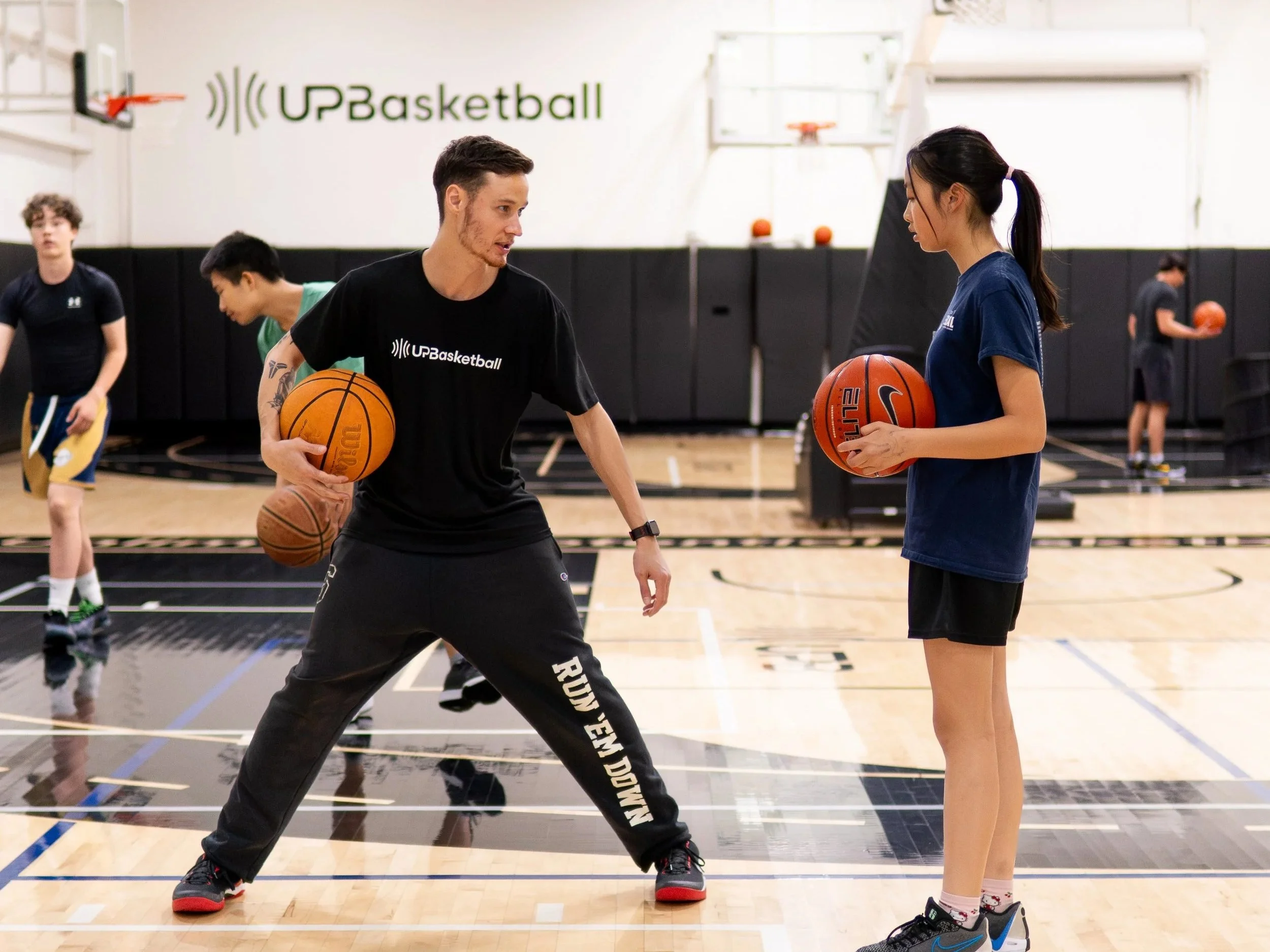
Mental Health Awareness Month serves as a time to advocate for reducing stigma while educating the public on how to better understand and address the challenges people face throughout life. Although this month has been celebrated since 1949, the fight to destigmatize and highlight the benefits of developing good mental practices continues, especially within the context of sports including basketball. Coach Ben Ruelas and Coach Wes Preston are two of many advocates in making sure the UPBasketball gym’s environment is one where athletes can grow their skills as well as their mind.
For years, conversations surrounding mental health in sports were often avoided or misunderstood. Athletes were expected to push through pressure quietly in order to highlight their toughness, which in turn could result in burnout impacting every aspect of a player’s performance from decision making, team interactions, and game time. That perspective is gradually changing as older generations create more space for open conversations surrounding mental health awareness, encouraging athletes to build confidence not only through developing their physical skills, but also by dedicating time to strengthening their mindset and emotional well-being.
“I’d say just working with youth, I have noticed obviously there’s a growing trend of mental health awareness in general. That’s really where I see confidence and things like that that are directly tied to mental health and how they can affect an athlete’s progression not just as an athlete but as a human and a growing adult,” Coach Wes said.
As social media and competitive culture continues to place pressure on young athletes, coaches are seeing firsthand how comparison and expectations impact players mentally. It is easier than ever to open social media and see highlight reels, rankings, and scholarship offers from top programs, causing many athletes to feel as though they constantly need to measure themselves against others. However, coaches at UPBasketball emphasize that perspective plays a major role in how athletes process those experiences. Instead of allowing comparison to become discouraging, players are encouraged to reframe what they see into motivation and focus on their own personal growth.
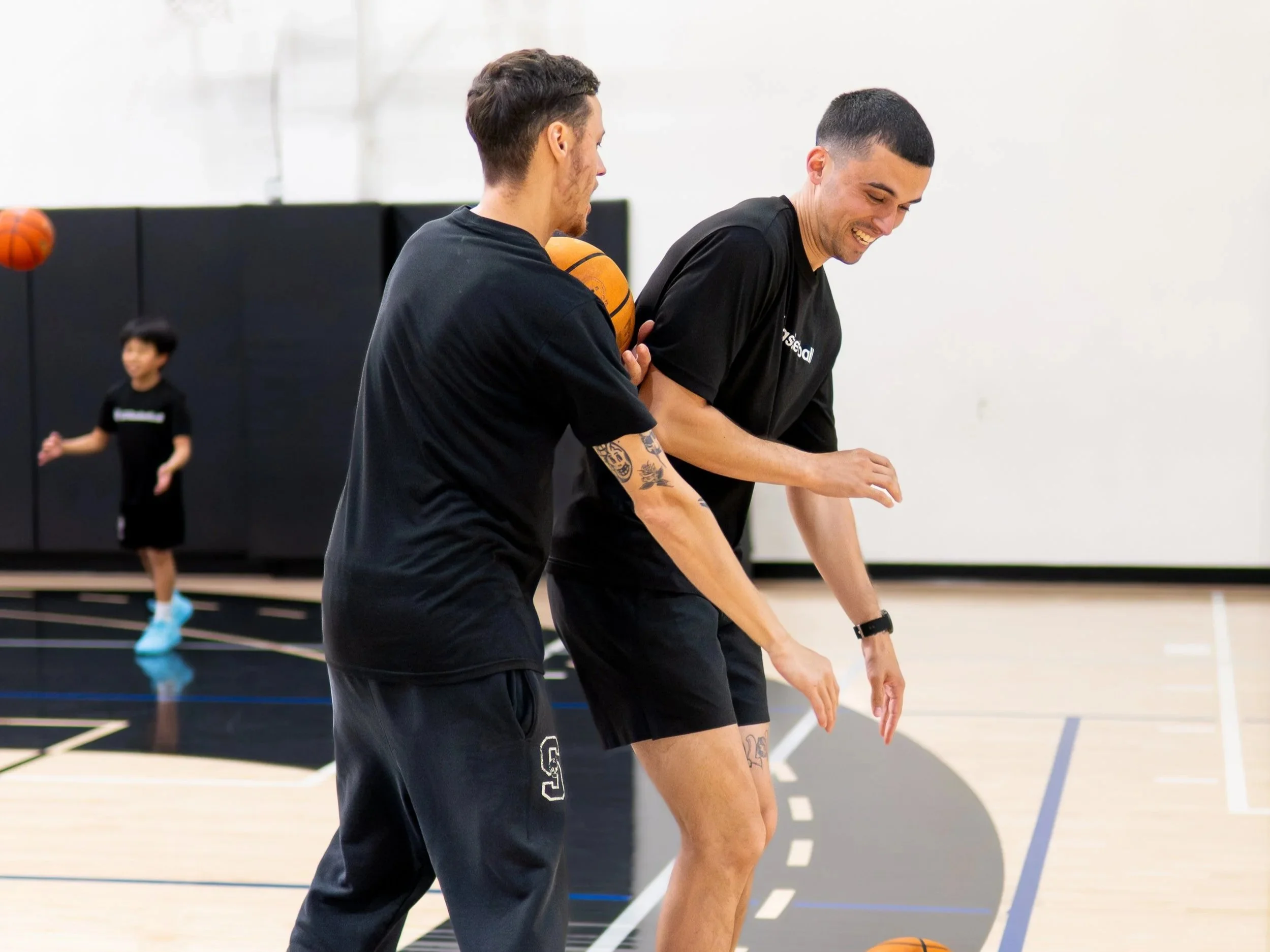
“They’re being raised in a different world than our generation was. Instagram, social media, TikTok, whatever you want to think of, that really glamorizes the positive side but doesn’t necessarily touch on the challenges that everyone has to learn how to work through especially as an athlete,” Coach Wes said.
In parallel, creating an environment where athletes feel comfortable talking openly about their emotions has become a major priority for coaches. Rather than treating mental struggles as something athletes should hide, conversations surrounding confidence, pressure, anxiety, and self-talk are becoming normalized within training sessions and team culture.
Coach Ben believes mindfulness has become one of the most effective tools athletes can use both in sports and everyday life. For him, mindfulness is not about avoiding emotions or pretending negative thoughts do not exist, but instead learning how to acknowledge them without letting them completely take control.
“The choice to be mindful is the choice to just accept everything that’s going on. Mindfulness creates this space between the stimulus and the response. Creating that space is actually pure freedom because then you can choose how to respond,” Coach Ben said.
The ability to pause and reset mentally is especially important in basketball where the pace of the game can quickly magnify frustration. Part of the reason these conversations have become more impactful is because coaches are becoming more open about their own experiences, showing younger generations the importance of vulnerability, trust, and building a supportive community where athletes feel comfortable sharing what they are going through.
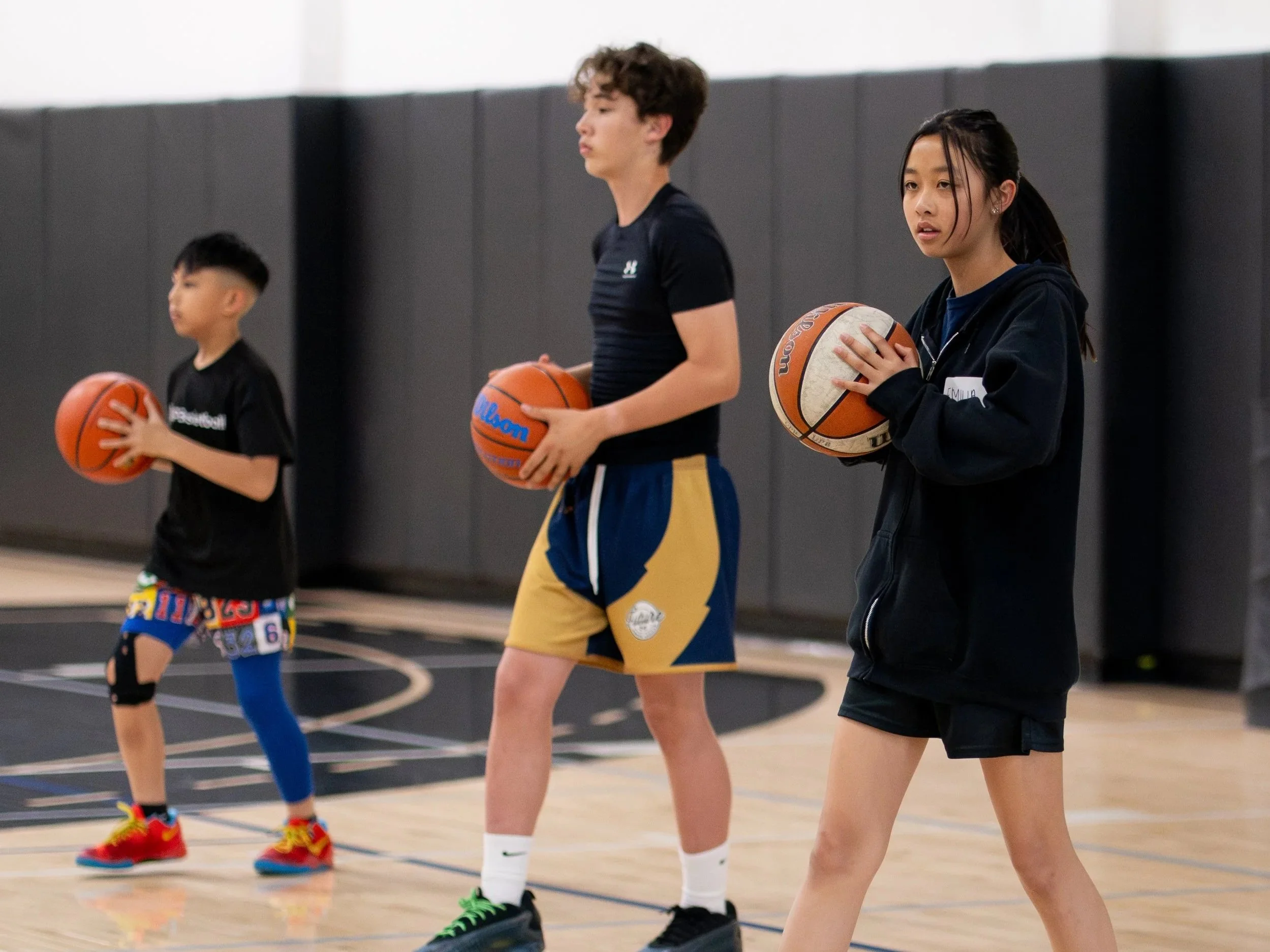
“I started sharing about my anxiety and then people started going, ‘Oh, that happens to me too,’” Coach Ben said. “I realized the parts of my life that I felt insecure about or embarrassed about were actually the most powerful parts of my life because I could share about them and help people.”
That openness is exactly what UPBasketball hopes to continue building within its gym culture. Coaches want athletes to understand that mental skills can be trained the same way shooting, ball handling, or conditioning can. Whether through mindfulness exercises, conversations about confidence, or simply checking in with players emotionally, the goal is to make sure athletes feel supported both on and off the court.
The growing conversation surrounding mental health in sports is helping to redefine what strength looks like for athletes. Strength is no longer viewed as simply staying silent or ignoring emotions, but rather having the confidence to acknowledge struggles, ask for help, and continue growing through them. Coaches like Wes and Ben are helping lead that shift by creating spaces where athletes feel heard, supported, and empowered to develop not only as basketball players, but as people.
