
3.5 minute read
By Andrea Aruino
Being a coach goes beyond leading practices and coaching games. It means building a foundation of trust that allows a coach and player’s relationship to flourish on and off the court. While developing basketball skills is an important part of training, coaches also have the opportunity to help athletes build confidence and habits that can carry into other areas of their lives.
A great coach understands that every player enters the gym with a different background, skill set, and goal. Some athletes may need to be pushed outside of their comfort zone, while others may need more encouragement to believe in what they can do. Learning how to recognize those differences can help coaches create an environment where players feel both supported and challenged.
“Every athlete walks into our gym with different stories, different strengths, and they have different goals. Maybe it’s their first time coming in, maybe they’re an elite athlete. I feel like we take the time to get to know each and every player and just create an environment where they all feel seen, valued, and challenged,” Coach Veronica Barrot said.
Building that environment starts with making players feel comfortable enough to learn. Mistakes are a natural part of development, and athletes are more likely to take risks and try new things when they know they can make a mistake without being discouraged.
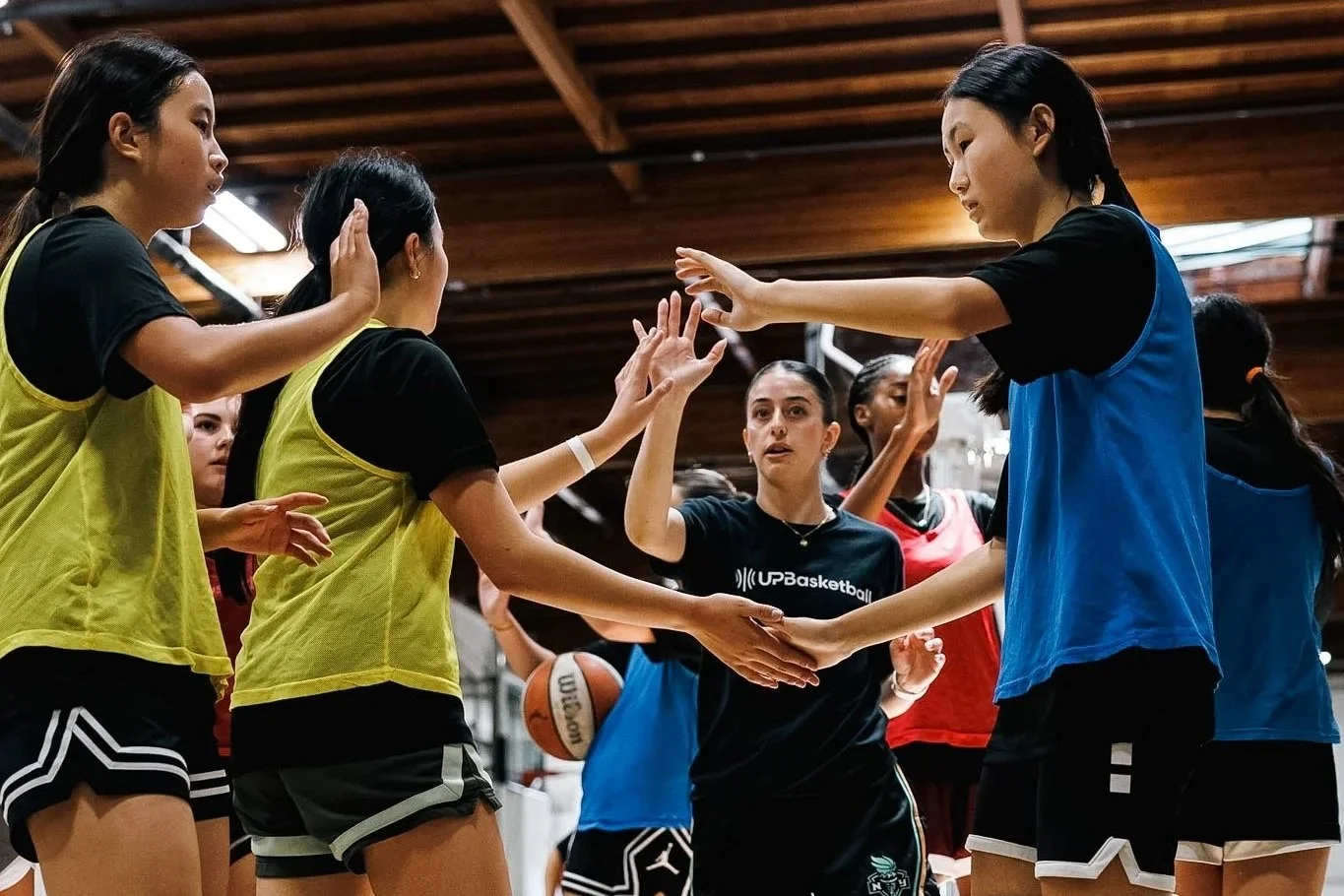
A coach’s ability to adapt can also be seen in the way they interact with players during training. A private session allows a coach to focus on one athlete’s specific strengths and weaknesses, while a group session requires them to balance individual feedback with the needs of everyone in the gym. In both settings, paying attention to how players respond can help coaches determine when to challenge them and when to adjust their approach. For Barrot, that process can begin before the first drill even starts. She uses simple conversations to learn more about her athletes and create a connection that goes beyond basketball.
“I’ll ask how their day was, I’ll ask, ‘what’d you learn in school today?’ I’m always coming up with a different question like, ‘what’s your favorite snack? What kind of candy do you like?’ I didn’t realize that those simple questions can start to build a relationship with your athletes and they kind of open up a little more because it’s not just about basketball,” Barrot said.
A great coach also recognizes that their own development never stops. Just as players are expected to remain students of the game, coaches can continue learning from their peers, their athletes, and their own experiences. As a younger coach, Bailey Fong looks to the coaches around her to understand different ways of communicating and structuring drills.
“I’m constantly trying to learn from the other coaches around me. I like to pay attention to how they communicate with players, how they structure their drills, and sessions, and what adjustments they make. I think continuing to be a student of the game is important and the more I coach, the more I realize there isn’t just one way or a right way to coach,” Fong said.
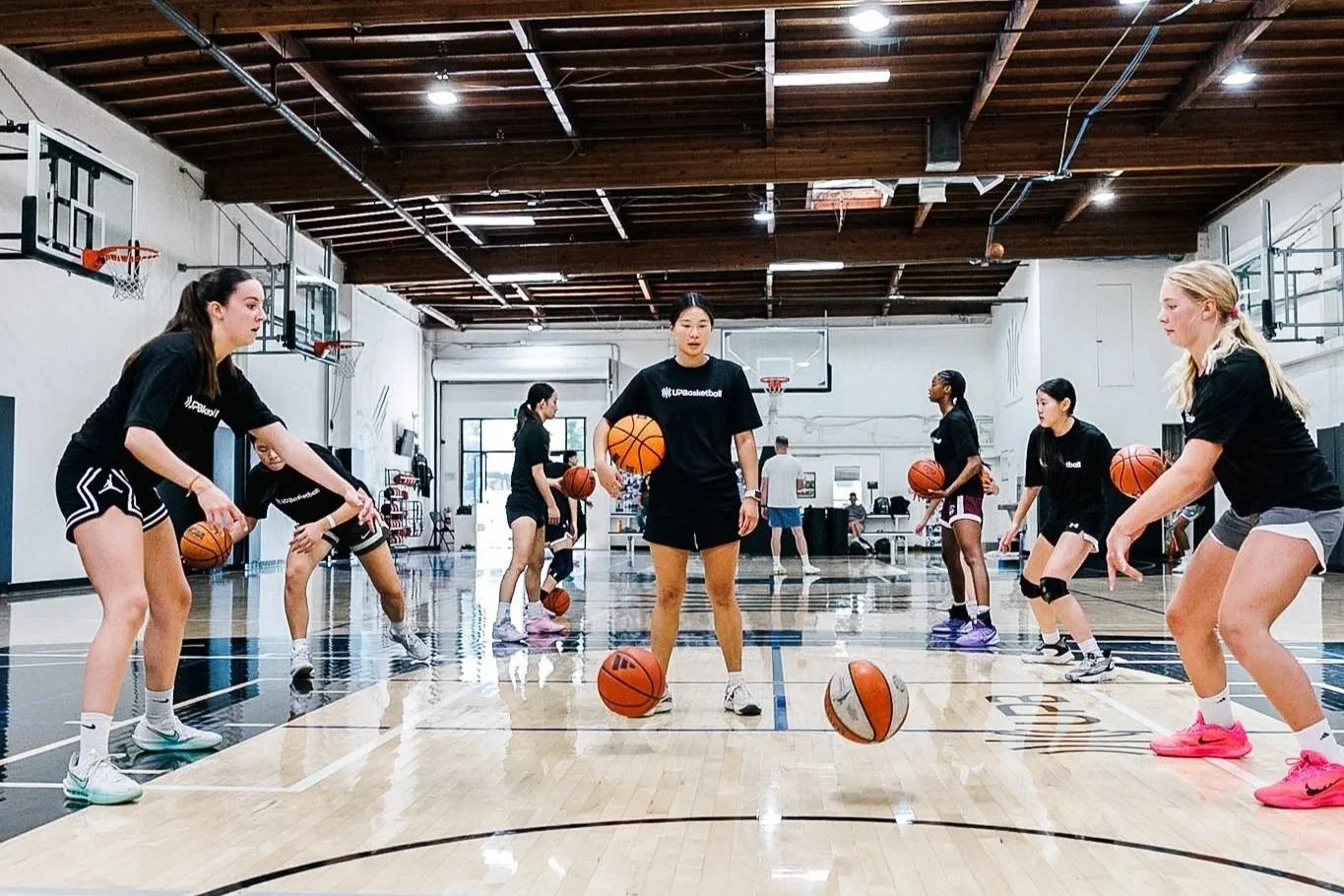
Coaching also requires knowing how to challenge athletes without allowing correction to become discouraged. Players may not always understand why a coach stops them to correct a mistake, but constructive feedback is part of helping them recognize what they can improve.
Ultimately, being a great coach is not defined by one practice, one game, or one player’s performance. It is built through the relationships coaches create, the standards they set, and the example they provide. A coach can teach a player how to improve their game while also helping them become more confident.
For UPBasketball coaches, that impact is what makes coaching meaningful. The goal is not only to help players become better basketball players, but to give them lessons and relationships that can stay with them long after they leave the gym.
