
What Does Overseas Basketball Culture Look Like?
3.5 Minute read
By: Andrea Aruino
For many athletes, playing overseas is an opportunity to continue competing after college while experiencing a new part of the world. Although the game of basketball remains the same, the culture surrounding it can look vastly different from country to country. From coaching philosophies and team dynamics to the role basketball plays within a community, each experience offers players a new perspective that extends far beyond the court.
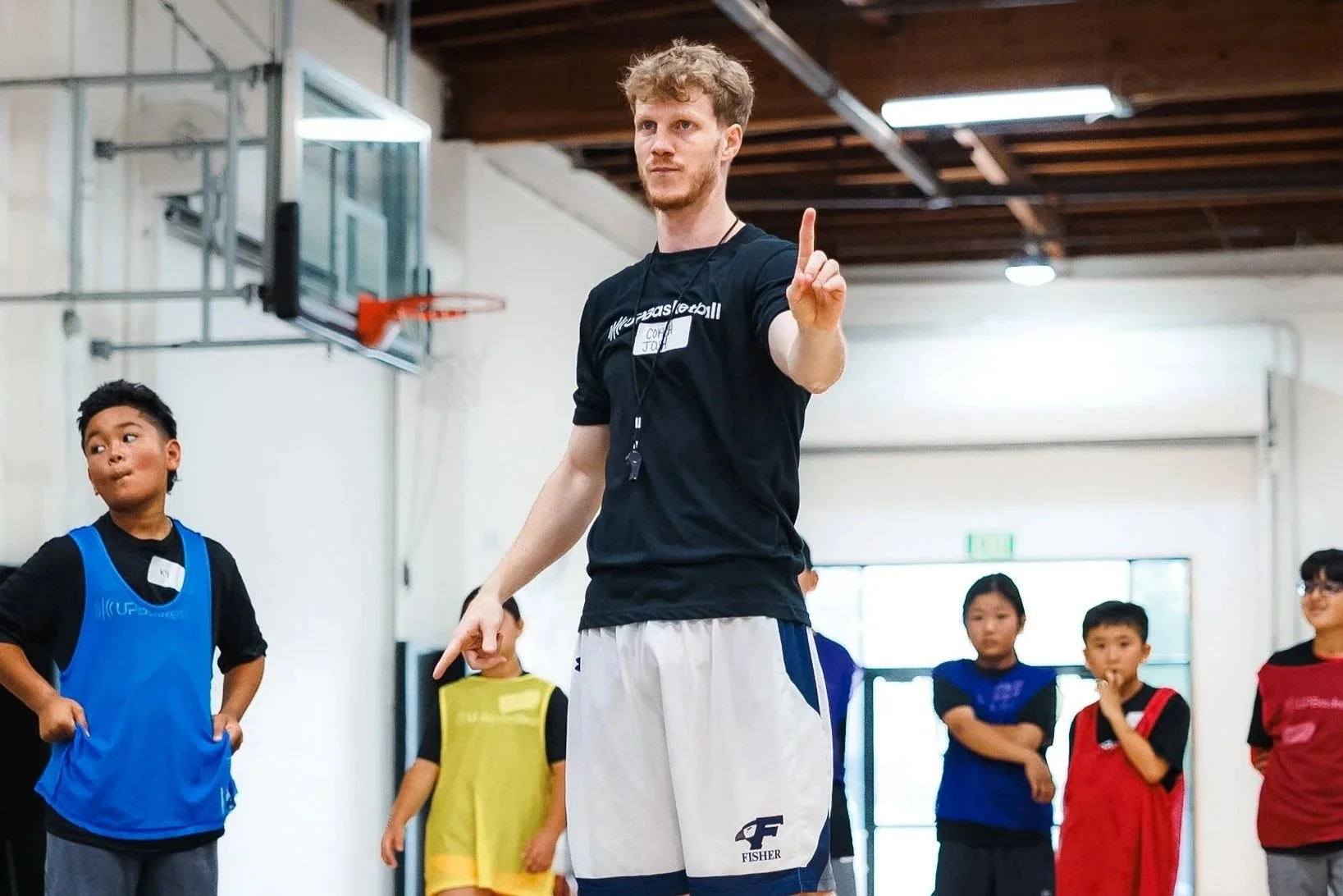
Former UPBasketball coach Emme Eisenman (UK) and current UPBasketball Coach Josh Friedkin (Israel) experienced those lessons firsthand while playing overseas in Wales and Israel, where they discovered that growth often comes from stepping outside of what feels familiar. During this experience, they learned how to adapt to different environments, coaching styles, and teammates that build resilience shaping a player's career.
One of the biggest differences both players noticed was the role basketball plays within each country's culture. In the United States, basketball is one of the nation's most popular sports, with players often having access to year round training, individual skill development, and countless opportunities to compete. Overseas, however, basketball often shares the spotlight with other sports, creating a different environment that emphasizes growth in unique ways.
For Eisenman, who spent a year playing in Wales for the Cardiff Met Archers, where she averaged 20.6 PPG, 8.0 RPB, and 6 APG, while earning her master's degree in sports psychology, basketball was still developing within the community. Rather than simply competing, her team became part of growing the sport by introducing it to younger generations through camps and school visits.
"It was really fun to be a part of a culture where basketball is still growing. In the States, basketball is already well known, but seeing kids play the sport for the first time here was a crazy thing. We would go into elementary schools and we'd do a couple monthly sessions with them. It was a great experience,” Eisenman said.
On the other hand, Friedkin, who has played professionally for five different teams throughout Israel, with his most recent team being Maccabi Haifa, noticed a similar contrast. While basketball continues to grow there, he found that the approach to developing players differed significantly from what he experienced growing up in the United States.
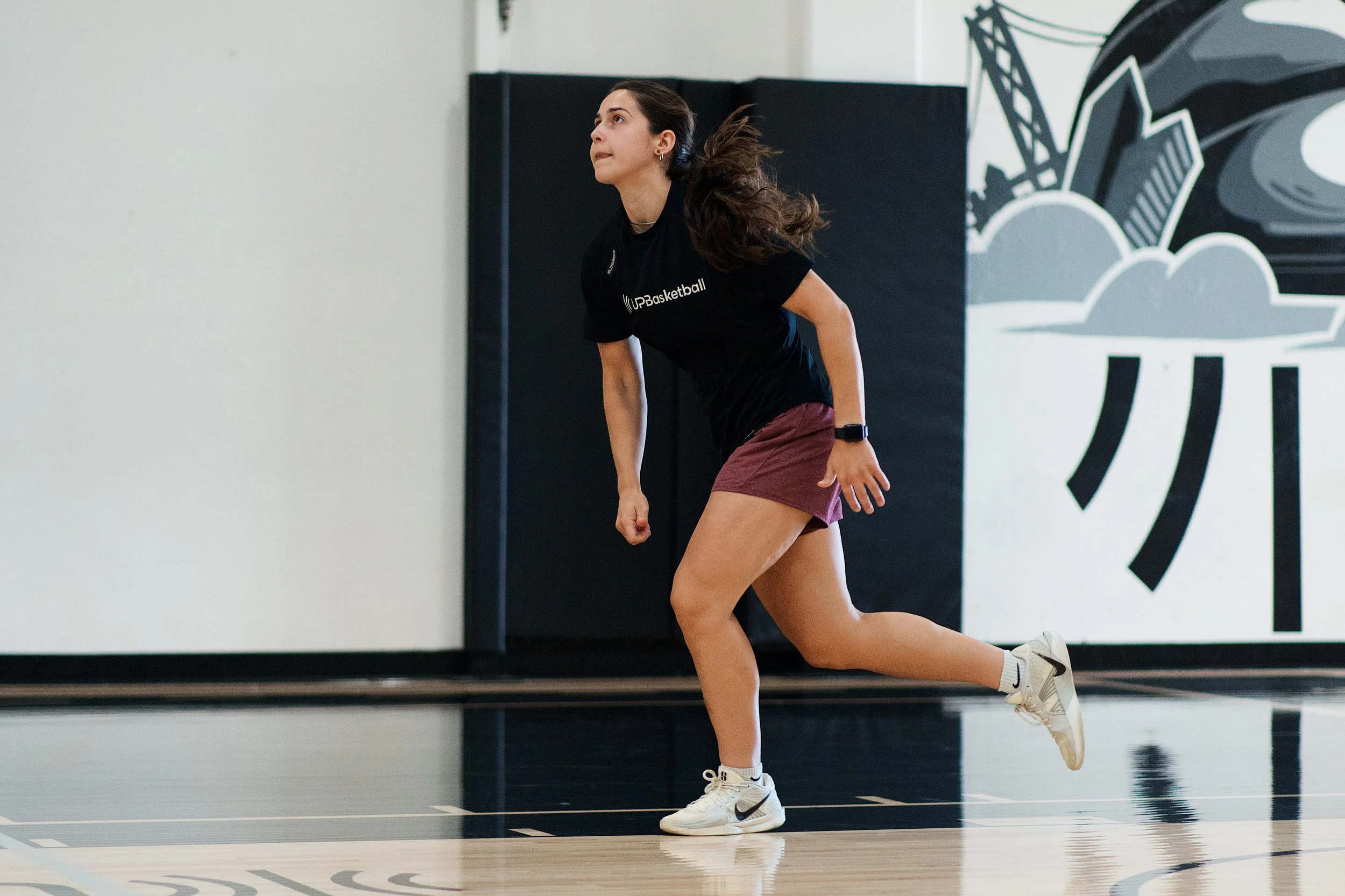
"I'd say the U.S. has a better personal development system, but as far as playing within a team system and learning how to play together, being overseas has really grown that part of my game," Josh Friedkin said.
Friedkin found that much of Israel's basketball culture centered around learning how to function as one cohesive unit. Practices focused heavily on team play, spacing, communication, and understanding each player's role within the offense and defense.
Adjusting to those differences, however, was not always easy. Playing overseas meant adapting not only to a new style of basketball, but also to an entirely new way of living. New teammates, unfamiliar routines, and cultural differences quickly pushed both players outside of their comfort zones. Something both Friedkin and Eisenman could relate to.
"I went in there with the mindset that I want to see what they like to do. I wanted to try to adapt to playing their style instead of imposing my understanding of the game and American basketball culture," Josh Friedkin said.
With an entirely new roster coming together for only one season, players often found themselves taking on unfamiliar responsibilities. Eisenman, who primarily played shooting guard in college, was challenged to develop as a point guard while other teammates shifted into completely different positions based on injuries and team needs. The experience reinforced the importance of adaptability and trusting the process, even when it meant becoming uncomfortable.
Despite the challenges, both athletes believe their overseas experiences ultimately made them better players and coaches. Eisenman and Friedkin credits their time abroad with expanding her perspective and encouraging her to value the voices of those around her.
Those lessons continue to influence the way both coaches approach player development at UPBasketball. Whether encouraging athletes to embrace unfamiliar situations, communicate with teammates, or remain open to different perspectives, their overseas experiences have reinforced that growth often happens outside of one's comfort zone.
